
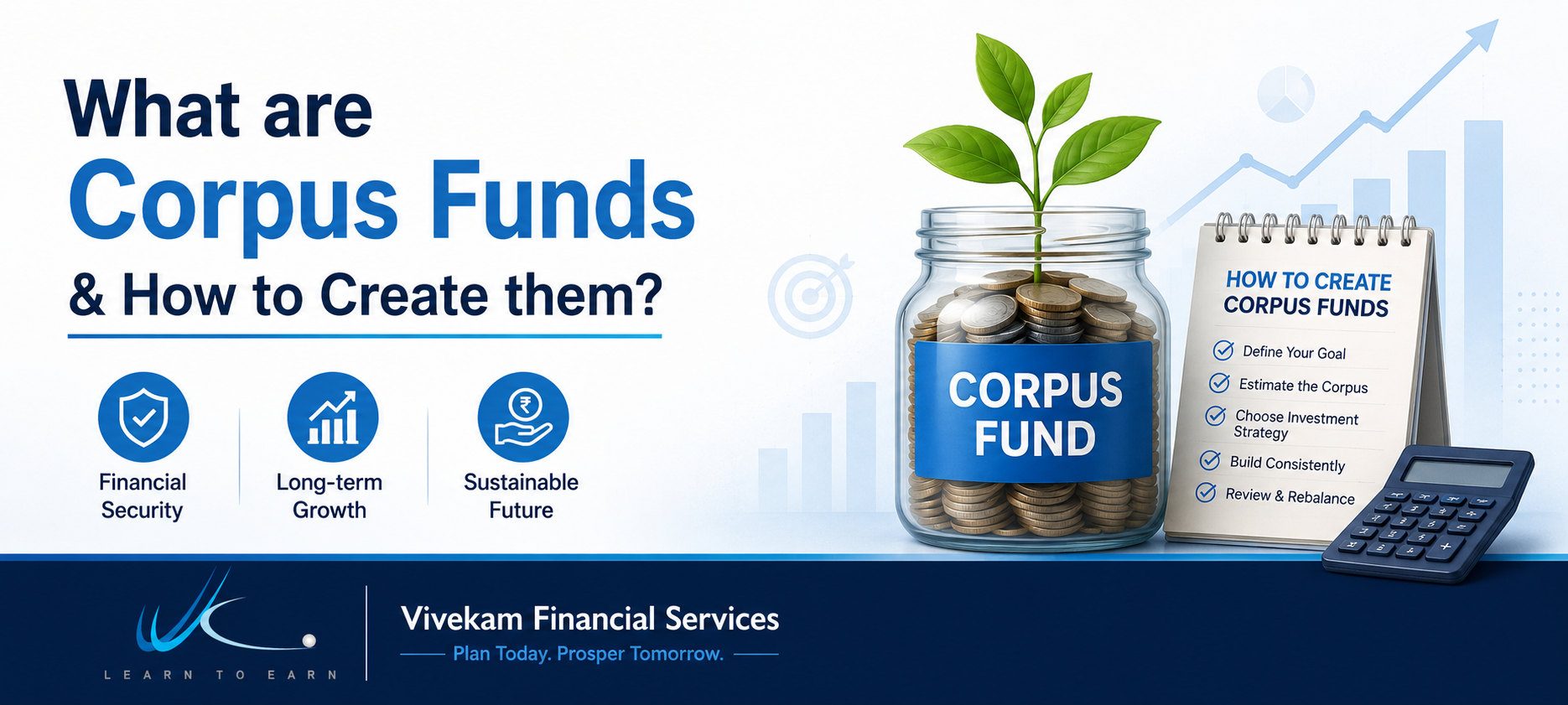
What are Corpus Funds & How to Create them?
Imagine running an NGO, housing society, temple trust, or educational institution without any financial backup.
One emergency repair.
One drop in donations.
One economic slowdown.
And suddenly the organization struggles to survive.
That’s exactly why a Corpus fund matters.
A corpus fund acts like a financial safety cushion that helps organizations remain stable for years — even during crises. In India, corpus funds are widely used by nonprofits, apartment associations, charitable trusts, religious institutions, and real estate societies to maintain long-term financial health.
But many people still ask:
- What is a corpus fund?
- How are Corpus Funds Created?
- How to create a corpus fund effectively?
- What are the Sources of Corpus Funds?
- How is a Corpus Fund Used in Real Estate?
This guide answers all of these questions in simple language with practical Indian examples.
Corpus Fund Meaning
The simplest Corpus fund meaning is:
A permanently maintained reserve fund where the principal amount is preserved and only the income earned from it is used.
Think of it as a tree.
- The trunk = corpus amount
- The fruits = interest or returns
The goal is to protect the trunk while using the fruits sustainably.
For example:
If a trust receives ₹1 crore as corpus donations and invests it at 7% annual return, it earns ₹7 lakh every year. The organization can use the ₹7 lakh while keeping the original ₹1 crore untouched.
This creates financial sustainability.
What is the Corpus Fund?
To fully understand what a corpus fund is, it’s important to know that corpus funds are not regular operating funds.
Regular donations are usually spent immediately for:
- salaries
- rent
- programs
- maintenance
But corpus funds are different.
They are:
- long-term reserves
- strategically invested
- financially protected
- used for sustainability
In India, corpus funds are commonly maintained by:
Organization Type | Purpose of Corpus Fund |
NGOs | Financial sustainability |
Housing Societies | Major repairs & maintenance |
Educational Institutions | Scholarships & expansion |
Religious Trusts | Temple operations |
Hospitals | Emergency healthcare support |
Foundations | Long-term charitable projects |
A strong corpus fund often indicates that an organization is financially disciplined and professionally managed.
Key Features of Corpus Funds
Understanding the core characteristics of a Corpus fund helps organizations manage money more responsibly.
1. Permanent Nature
Corpus funds are intended to exist indefinitely.
The principal amount is usually protected.
2. Investment-Based Income
Most corpus funds generate returns through:
- fixed deposits
- bonds
- mutual funds
- treasury securities
This creates recurring income.
3. Financial Stability
Organizations with healthy corpus reserves are less vulnerable during funding shortages.
COVID-19 proved this dramatically.
Many NGOs without corpus reserves shut down operations, while organizations with strong corpus funds survived the crisis.
4. Donor-Specific Restrictions
In India, many donors explicitly state that their contribution should become part of the corpus.
This matters legally and for taxation purposes.
Why Corpus Funds Matter in India
India has millions of:
- NGOs
- charitable trusts
- apartment societies
- religious organizations
- educational institutions
Most of them depend heavily on uncertain income sources.
That creates financial instability.
A properly managed Corpus fund in India solves this problem by creating predictable long-term income.
This is especially important because:
- inflation keeps rising
- operational costs increase yearly
- donor behavior changes
- economic uncertainty affects funding
Organizations without reserve funds often struggle during emergencies.
Those with corpus reserves survive longer and grow faster.
Importance of Corpus Funds in India
The Importance of Corpus Funds in India goes beyond just saving money.
They create institutional confidence.
1. Builds Long-Term Sustainability
A corpus fund ensures the organization can function even during difficult periods.
2. Improves Donor Trust
Large donors prefer supporting financially stable organizations.
A healthy corpus fund signals:
- good governance
- accountability
- strategic planning
3. Supports Expansion
Schools can build classrooms.
Hospitals can purchase equipment.
NGOs can expand social programs.
All because they have financial backing.
4. Reduces Dependency on Donations
Without corpus income, organizations constantly chase funding.
That’s exhausting and risky.
Corpus funds create breathing room.
How are Corpus Funds Created?
The answer depends on the type of organization.
Donations and Grants
This is the most common source.
Large philanthropists, CSR programs, and charitable donors often contribute specifically toward corpus creation.
Example:
An alumnus donates ₹50 lakh to a university corpus fund.
The university invests the money permanently.
Membership Contributions
Housing societies in India commonly collect corpus charges from apartment owners.
These charges help fund:
- structural repairs
- painting
- lift replacement
- emergency maintenance
Government Support
Some educational and charitable institutions receive grants specifically meant for corpus reserves.
Investment Returns
Organizations may also grow corpus funds gradually by reinvesting:
- interest income
- rental income
- surplus operational funds
This creates compounding growth over time.
What are the Sources of Corpus Funds?
Understanding What are the Sources of Corpus Funds? is essential for long-term planning.
Major Sources Include:
Source | Example |
Individual Donations | Philanthropists |
CSR Funding | Corporate social responsibility |
Membership Charges | Housing societies |
Government Grants | Educational institutions |
Fundraising Events | Charity drives |
Investment Income | Interest & dividends |
Endowments | Family foundations |
In India, CSR funding has become a major contributor to corpus development for nonprofits.
How to Create Corpus Fund Successfully
Many organizations fail because they focus only on short-term survival.
Learning How to create a corpus fund properly changes that.
1. Set a Clear Corpus Goal
Decide:
- How much reserve is needed?
- What expenses should it cover?
- How many years of stability are required?
2. Launch Dedicated Fundraising Campaigns
Donors are more likely to contribute when:
- goals are transparent
- impact is measurable
- governance is strong
- Build Financial Credibility
Publish:
- annual reports
- audits
- fund utilization reports
Transparency attracts larger donations.
4. Invest Conservatively
Corpus money should prioritize safety over aggressive growth.
Safer options include:
- FDs
- government bonds
- debt instruments
5. Create a Corpus Policy
Every organization should define:
- withdrawal rules
- investment strategy
- emergency usage conditions
Without policy discipline, corpus funds disappear quickly.
Uses of Corpus Funds in India
The practical Uses of Corpus Funds in India vary widely across sectors.
Educational Institutions
Used for:
- scholarships
- campus expansion
- research funding
NGOs
Used for:
- social welfare programs
- rural development
- operational sustainability
Housing Societies
Used for:
- building repainting
- water tank replacement
- elevator modernization
- fire safety upgrades
Religious Trusts
Used for:
- temple maintenance
- food distribution
- charitable activities
Hospitals
Used for:
- free treatment programs
- medical equipment
- emergency response systems
Benefits of Corpus Funds
The biggest Benefits of Corpus Funds are stability and sustainability.
1. Financial Security
2. Predictable Income
3. Emergency Preparedness
4. Better Long-Term Planning
5. Improved Organizational Reputation
6. Reduced Financial Stress
A strong corpus fund transforms organizations from reactive to strategic.
Disadvantages of Corpus Funds
Despite the advantages, there are some real Disadvantages of Corpus Funds too.
1. Restricted Flexibility
The principal amount often cannot be touched easily.
2. Inflation Risk
If investment returns are lower than inflation, the corpus loses real value.
3. Investment Mismanagement
Poor financial decisions can damage corpus sustainability.
4. Governance Risks
Weak oversight may lead to misuse of funds.
This is why audits and transparency matter enormously.
How is a Corpus Fund Used in Real Estate?
When people purchase apartments in India, builders or housing societies often collect corpus charges.
This money is reserved for future infrastructure expenses.
Typical Uses Include:
- major repairs
- structural renovation
- lift replacement
- parking repairs
- water systems
- security systems
- emergency maintenance
Without corpus reserves, societies may suddenly demand massive maintenance charges from residents.
A healthy corpus fund prevents financial shocks.
FAQs About Corpus Funds
1. What is a corpus fund in simple words?
A corpus fund is a permanent reserve where the main amount stays protected while the earnings are used for expenses.
2. Is corpus fund taxable in India?
Eligible corpus donations to registered trusts may qualify for tax exemption under Indian law.
3. How are Corpus Funds Created?
Through donations, grants, membership contributions, investment returns, and fundraising.
4. What are the Sources of Corpus Funds?
Sources include CSR funding, philanthropists, grants, and society contributions.
5. How to create a corpus fund for NGOs?
By building donor trust, running fundraising campaigns, and investing funds strategically.
6. How is a Corpus Fund Used in Real Estate?
For major repairs, infrastructure upgrades, and emergency maintenance in housing societies.